




Gentle Forms of Exercise to Enjoy This Spring
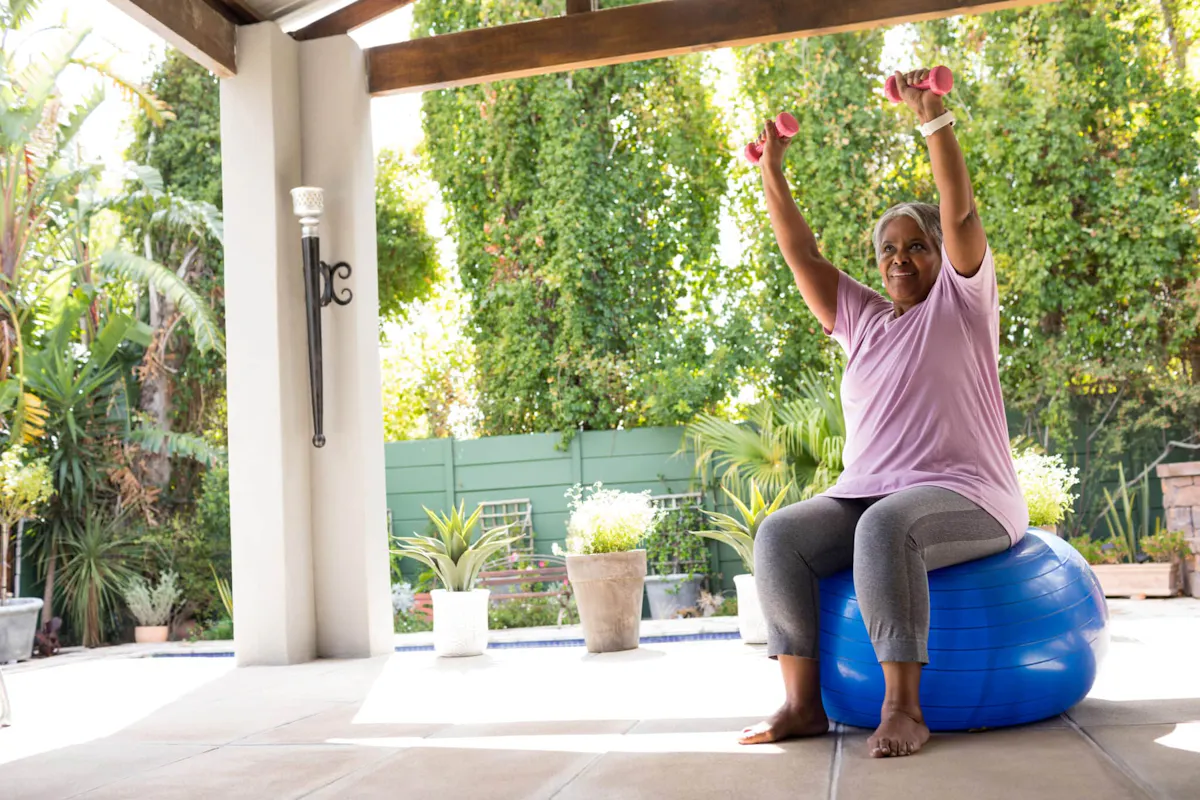
When people hear the word “exercise,” they often picture intense workouts, heavy weights, or long runs. But staying healthy doesn’t require pushing your body to its limits. Gentle exercise—low-impact movement that is easy on the joints and adaptable to different fitness levels—offers powerful benefits at every stage of life.
Whether you’re young, old, or somewhere in between, gentle exercise can help you feel stronger, more energized, and more balanced both physically and mentally.
Benefits of Gentle Exercise
One of the greatest advantages of gentle exercise is that it’s accessible. You don’t need special equipment, a gym membership, or prior athletic experience. Gentle movement meets you where you are and works with your body, not against it. This makes it especially helpful for people managing chronic conditions, recovering from injury, or simply looking for a sustainable way to stay active long-term.
Other reasons to engage in less aggressive forms of exercise are to:
- Protect heart health: At any age, regular gentle exercise supports heart health. Activities like walking or light cycling increase circulation, help regulate blood pressure, and improve overall cardiovascular function. Over time, even modest movement can reduce the risk of heart disease and stroke. The key is consistency—moving a little on most days of the week can make a meaningful difference.
- Maintain muscle and bone strength: Physical activity is also essential for maintaining strength, balance, and flexibility. As we age, muscle mass and bone density naturally decline, increasing the risk of falls and injury. Low-impact strength and balance exercises help counteract these changes by keeping muscles engaged and joints mobile. Improved balance and coordination can boost confidence in daily activities, from climbing stairs to carrying groceries.
- Promote mental wellness: Mental health benefits are just as important. Gentle exercise releases endorphins, the body’s natural mood boosters, helping to reduce stress, anxiety, and symptoms of depression. It can also improve sleep quality and sharpen focus. For many people, exercise becomes a form of self-care—a dedicated time to breathe, reset, and reconnect with their body.
- Establish a habit you can stick to: Another benefit is that gentle exercise is easier to stick with. Because it’s enjoyable and less physically demanding, people are more likely to make it a regular part of their day. Sustainability matters more than intensity when it comes to long-term health. A routine you enjoy and can maintain is far more valuable than an intense program you struggle to do consistently.
Gentle Forms of Exercise to Explore
So, what are some healthy types of gentle exercise?
- Walking: This is one of the simplest and most effective options. It can be done almost anywhere, at your own pace, and easily adjusted to your energy level. A short daily walk improves circulation, joint mobility, and mental clarity.
- Stretching: Flexibility exercises are another excellent choice. Gentle stretching keeps muscles loose, reduces stiffness, and improves range of motion. Practices like yoga or chair yoga combine stretching with breathing, promoting relaxation and balance. And it’s adaptable for beginners and experienced movers alike.
- Swimming: Water activities are ideal for people who want full-body movement with minimal joint stress. The water supports body weight, reducing impact while still providing resistance to build strength and endurance. These activities are especially beneficial for individuals with arthritis or joint pain.
- Tai chi: The slow, flowing movement practices of this ancient Chinese form of exercise focuses on balance, posture, and controlled motion. Often described as “meditation in motion,” tai chi improves stability, coordination, and mental calm, making it a popular option for all ages.
- Strength training: Using light weights, resistance bands, or body-weight exercises can play an important role in maintaining muscle tone and bone health without excessive strain. Weight training can also help build core strength, which helps protect you from falls.
No matter your age, gentle exercise is a powerful tool for supporting your overall well-being. By choosing activities that feel good and fit your lifestyle, you can stay active, independent, and energized for years to come.
A Mobile Monitoring Device Brings Peace of Mind
Whether you choose to exercise in the privacy of your own living room, take a daily nature walk, or swim in your backyard pool, it’s essential to have a plan in place in case an emergency occurs.
Investing in a mobile monitoring device is an easy solution. This small unit can be placed in a pocket or on the table next to you. Should you experience an emergency, a quick press of a button will connect you with help. Call 1-844-203-5617 to learn more!