




Home Safety Tips for Reducing Falls, Indoors and Out
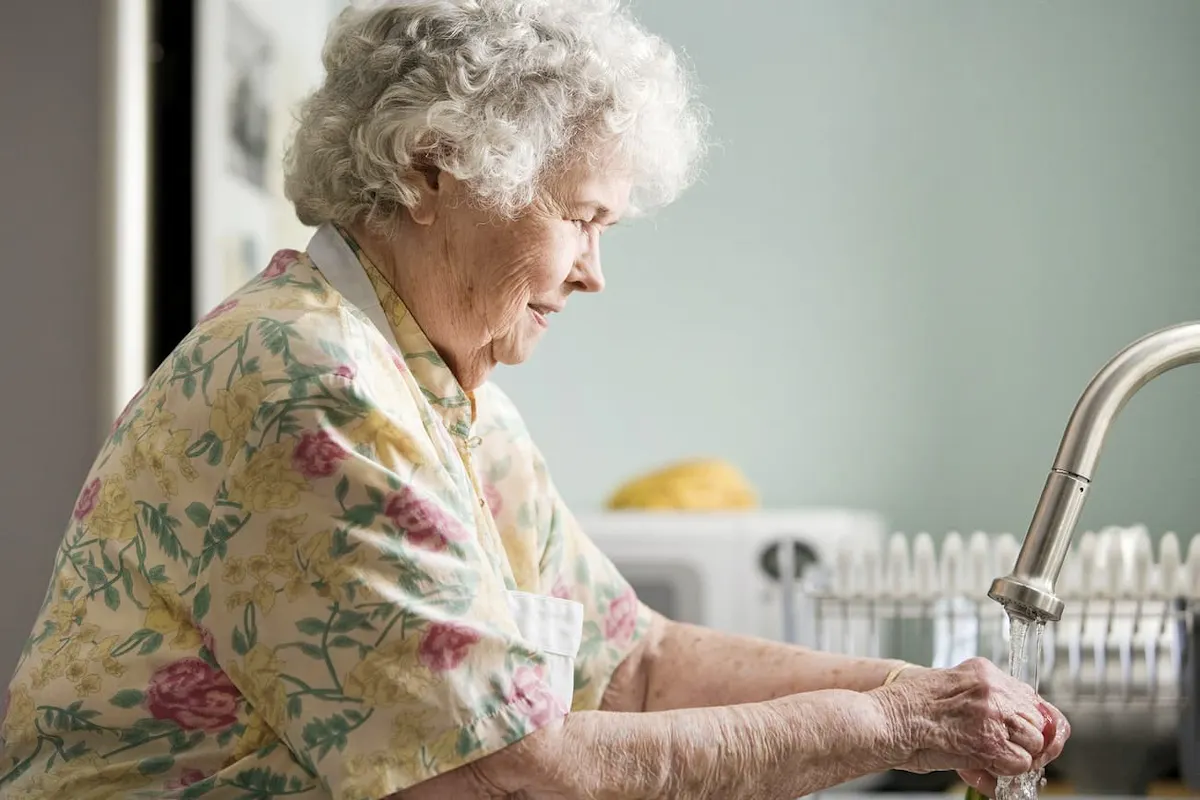
Falls are one of the most common—and often preventable—causes of injury among seniors. And the statistics on falls among older adults are frightening. According to the Centers for Disease Control and Prevention, one in four people aged 65 or older experiences a fall each year. They are the leading cause of both fatal and nonfatal injuries for older people.
While the risk of falling tends to increase with age due to changes in balance, vision, strength, and reaction time, there are many practical steps older adults can take to stay safe. By making thoughtful adjustments both inside and outside the home, seniors can likely maintain much of their independence while still reducing their risk.
Indoor Environment and Fall Hazards
A good place to start is the home environment. Many falls happen because of simple hazards that are easy to overlook. Cluttered walkways, loose rugs, and electrical cords can all become tripping hazards. Keeping floors clear and arranging furniture to allow for wide, unobstructed paths can make a big difference. If you have area rugs, consider removing them or securing them with nonslip backing.
Lighting is another critical factor. Poor visibility increases the chance of missteps, especially at night. Make sure all areas of the home—hallways, staircases, and entryways—are well lit. Night-lights in bedrooms and bathrooms can help guide safe movement after dark. Light switches should be easy to reach, and lamps or motion-sensor lighting can add an extra layer of safety.
Bathrooms deserve special attention, as they are a common location for slips and falls. Installing grab bars near the toilet and inside the shower or tub can provide vital support. Nonslip mats or adhesive strips in the bathtub or shower can help prevent slipping on wet surfaces. A shower chair and handheld showerhead may also be helpful for those who feel unsteady while standing.
Risk Factors for Outdoor Falls
When outside, it’s important to stay aware of potential hazards. Uneven sidewalks, loose gravel, wet leaves, and icy patches can all increase the risk of slipping or tripping. Having good lighting, especially lights that are triggered by movement, is essential. And handrails on stairs and ramps add stability.
Some weather conditions require extra caution. Rain can make surfaces slippery, and in colder months, ice and snow are major hazards. Seniors should consider postponing outings during severe weather when possible. If going out is unavoidable, wear shoes with good traction and use assistive devices to help reduce risk. It’s also a smart precaution to carry a mobile phone in case help is needed.
Other Fall Risk Factors for Seniors
While conducting a home safety evaluation is important, having a safe home is just one part of reducing the risk of a fall. Other concerns include:
- Footwear: What you wear on your feet plays a role in fall prevention both indoors and outdoors. Seniors should choose shoes that fit well, have nonslip soles, and provide good support. Walking in socks, loose slippers, or worn-out shoes can increase the risk of slipping. Even inside the house, it’s safer to wear proper footwear than to go barefoot or walk around in stockinged feet.
- Core strength: Maintaining physical strength and balance is another key part of reducing fall risk. Gentle, regular exercise can improve coordination, flexibility, and muscle strength. Activities such as walking, stretching, or balance exercises can help keep the body stable and responsive. Even small improvements in strength can make it easier to recover from a misstep and avoid a fall.
- Vision and hearing: Vision and hearing also contribute to balance and awareness of surroundings. Regular eye exams ensure that prescriptions for glasses are up to date and that conditions like cataracts or glaucoma are addressed. Good hearing can help you stay alert to environmental cues, such as approaching vehicles or uneven terrain. Get routine screenings, and if hearing aids are needed, use them consistently to improve overall safety.
Invest in a Mobile Monitoring Unit
One last tip to consider is to utilize a mobile monitoring device. It’s small and discreet, making it easy to keep with you. If you do experience a fall when you are alone, a quick press of a button can connect you with someone who can help. Call 1-844-203-5617 to learn more!