




Home Alone: How to Stay Safe When Living Independently
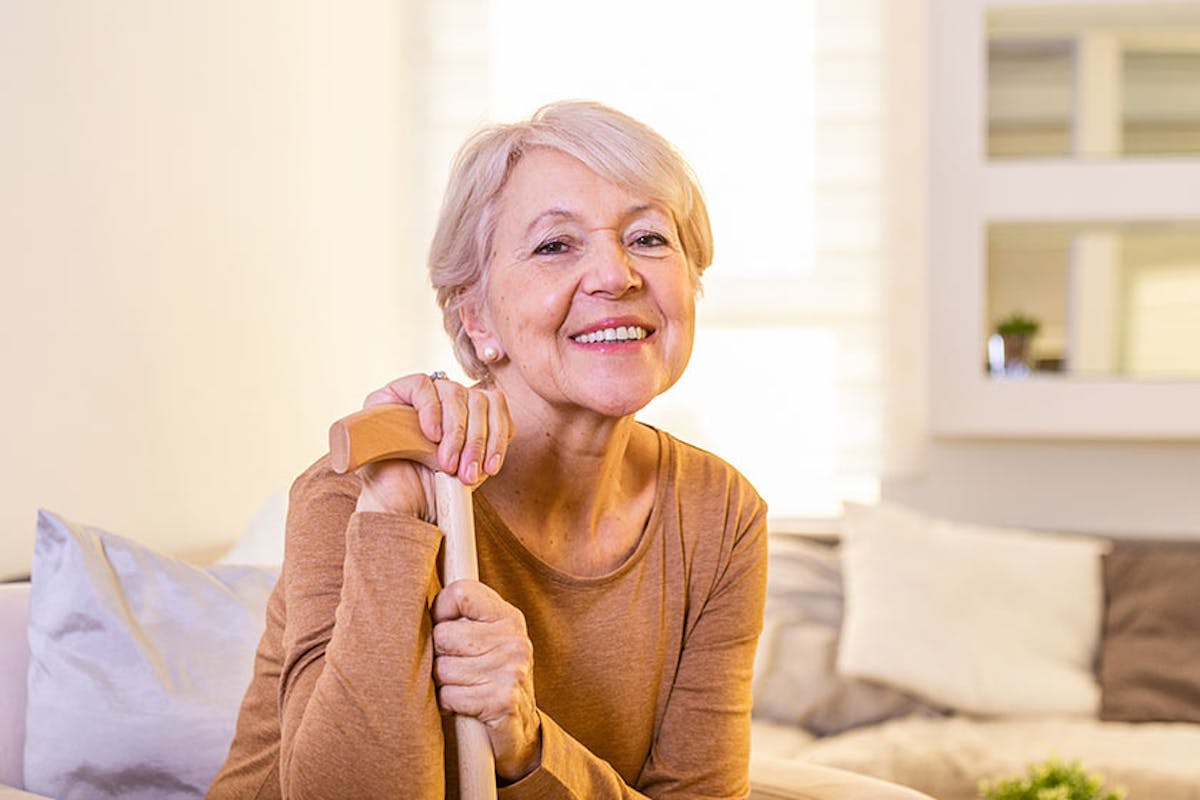
Living independently as you grow older can help you maintain a feeling of freedom and a strong sense of control over your daily life. Whether you’re a senior choosing to age in place, a young adult in your first home, or someone who enjoys solitude, having your own private home can be rewarding.
But independence also comes with responsibilities, especially when it comes to personal safety. The good news is that with a few intentional habits and practical precautions, you can feel confident and secure living on your own at any age.
Create a Safe and Secure Home Environment
Your home should be your sanctuary. The first step to staying safe is ensuring it’s well-protected. Start by securing entry points:
- Install deadbolt locks
- Ensure windows lock properly
- Consider reinforcing sliding doors
- Mount outdoor motion-sensor lights
Home security systems have become more accessible and affordable than ever. Even simple smart cameras or doorbell cameras allow you to see who’s at the door, monitor your home while you’re away, and receive alerts for unusual activity. These tools not only improve safety but also provide peace of mind.
If you live in a building or shared complex, take precautions in common areas. Avoid letting strangers tailgate into locked entrances and immediately report any malfunctioning lights or locks to property management.
Establish a Daily Check-In Routine
Even when you value independence, it’s important to stay connected. Remember, regular check-ins don’t compromise your autonomy. In fact, they reinforce your safety. Make arrangements with a family member, friend, or neighbor to briefly check in each day, even if it’s just a quick text or phone call.
For seniors, mobile emergency devices can be lifesaving. These tools allow you to call for help with the press of a button, which is crucial in case of a fall, a sudden illness, a break-in, or an accident.
Be Smart About Daily Habits
Staying safe at home often comes down to consistent, mindful habits. For example:
- Don’t Broadcast That You Live Alone
Whether you are scheduling contractors or ordering food deliveries, don’t publicize that you live alone. It might even be helpful to have a friend or family member with you when outsiders come to make repairs or provide quotes on projects.
- Answer the Door Safely
If someone knocks or calls unexpectedly, don’t feel pressured to open the door or share personal information. Verify their identity before engaging.
- Keep Emergency Numbers Accessible
You should have important contacts—local police, nearby relatives or friends, building maintenance, and your healthcare providers—written down and stored on your phone.
- Maintain Clear Walkways and Good Lighting
Falls are one of the most common home accidents, especially for older adults. Keep floors clutter-free, secure loose rugs, and make sure hallways and stairwells are well-lit. Make sure walkways and steps outside the home are in good repair.
Practice Kitchen and Fire Safety
Other than the bathroom, kitchens are where home accidents occur most often. There are many sources of potential harm in the kitchen, from sharp knives to stovetop burners that can ignite a blousy sleeve. Always pay attention when cooking, and avoid leaving stoves and ovens unattended. Keep a small fire extinguisher in an easily accessible location and ensure you know how to use it.
Fire safety also includes regularly testing smoke alarms and carbon monoxide detectors. Replace batteries as recommended and follow manufacturer guidelines. If your home uses gas appliances, consider installing a natural gas detector as an extra precaution.
Prepare for Emergencies
Even the safest home can’t prevent every emergency, so preparedness is essential. Create a simple emergency kit that includes flashlights, batteries, bottled water, nonperishable food, a first aid kit, and a backup phone charger.
It’s also wise to practice emergency procedures such as evacuating quickly. Conduct drills for various scenarios, including power outages, severe weather, and medical emergencies. Knowing your plan in advance will help you stay calm and act quickly.
The Bottom Line on Home Safety
Living independently is empowering, but safety should always be a priority. By securing your home, maintaining connections, building safe habits, and preparing for the unexpected, you can enjoy living alone without sacrificing your comfort and freedom.