




Winter Hydration Tips: Why You Need Plenty of Water in Cold Weather
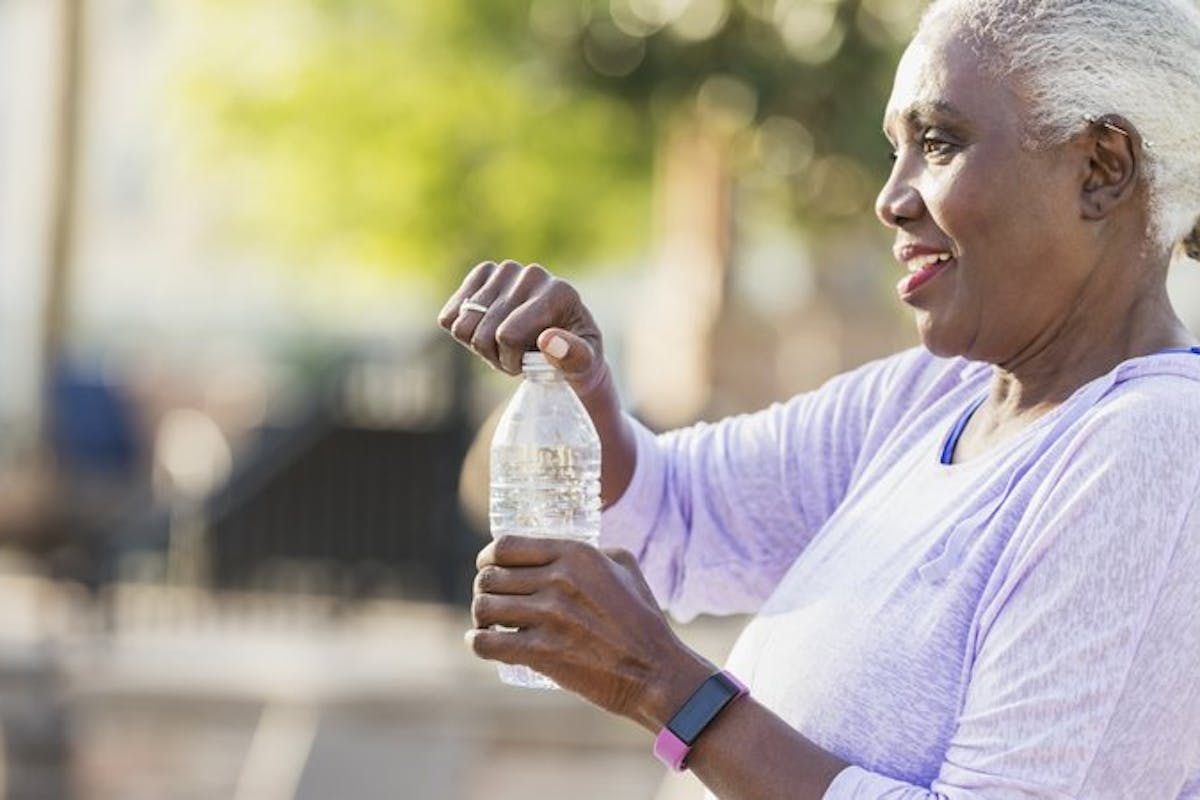
When temperatures drop, hydration is often the last thing on your mind. Cold weather doesn’t trigger thirst the way summer heat does, and many people assume they simply don’t need as much water. However, winter dehydration is far more common than most of us realize.
Whether you’re spending time outdoors, working in heated indoor spaces, or staying active during the colder months, keeping your body properly hydrated is essential for well-being, comfort, and performance. Understanding why hydration matters and how to maintain it can help you stay energized and healthy all winter long.
Why Hydration Still Matters in Winter
One of the biggest myths about winter is that the body requires less water because you don’t sweat as much. In reality, cold air is incredibly dehydrating, as is central heating. When you breathe in dry winter air, the body loses moisture as it warms and humidifies each breath. This process happens continuously and invisibly, leading to significant water loss over the course of the day.
Additionally, heavy layers of winter clothing can increase perspiration without you noticing. Even mild sweating under thick coats can lead to fluid loss. Heated indoor environments also tend to dry out the skin and respiratory passages, further increasing hydration needs.
Another factor is the body’s reduced thirst response in cold temperatures. Studies show that you may feel up to 40% less thirsty in winter, even when your body actually needs water. This means you may already be mildly dehydrated before you even think to take a sip.
Health Benefits of Staying Hydrated in Winter
Proper hydration supports crucial bodily functions regardless of the season, but in winter it brings its own specific benefits:
- Stronger Immune Function
Cold and flu season peaks during winter, and hydration plays a vital role in immune health. Water helps transport nutrients, supports the lymphatic system, and keeps mucous membranes moist—your body’s first line of defense against viruses and bacteria. - Better Skin Health
Winter air can be brutal on your skin, resulting in dryness, irritation, and flakiness. This is especially true for older adults, who often have more fragile skin. Drinking enough water should be part of your winter skin care regimen. It helps maintain skin elasticity and moisture from the inside out, supporting any topical moisturizers you may use. - Improved Energy Levels
Mild dehydration can cause fatigue, headaches, and difficulty concentrating. Staying hydrated helps maintain mental clarity and focus, which is especially important during winter, when your energy levels are impacted by the shorter days and decreased sunlight. - Enhanced Physical Performance
Whether you enjoy winter sports or simply want to keep up with regular workouts, hydration is essential. Your muscles need water to function properly, and dehydration can lead to cramps, slower reaction times, and decreased endurance.
Simple Winter Hydration Tips
Staying hydrated in colder weather doesn’t need to be difficult. Here are some practical ways to ensure you get enough fluids every day:
- Drink Warm Fluids
Herbal teas, hot water with lemon, and warm broths are all excellent ways to stay hydrated while also keeping warm. Just be mindful of caffeinated beverages, which can have a mild diuretic effect. - Carry a Water Bottle
Even indoors, having a water bottle nearby is a helpful reminder to sip regularly. Choose an insulated bottle to prevent your water from becoming too cold to enjoy. - Eat Hydrating Foods
Healthy soups, stews, fruits like oranges and apples, and vegetables like cucumbers and celery add to your daily fluid intake. Winter produce can still pack a hydrating punch. - Set Hydration Goals
Aim for a consistent intake throughout the day. If you struggle to remember, try setting reminders or using a hydration-tracking app. - Listen to Your Body
Look for signs of dehydration—dry skin, headaches, dark urine, or low energy. Respond early to these cues by increasing your fluid intake.
Invest in a Mobile Monitoring Device This Winter
For most older adults, winter can create more safety risks, ranging from dehydration to slip-and-fall injuries. One way to stay protected is by investing in a mobile monitoring unit. These small devices can easily be slipped in a purse or pocket. In the event of an emergency, simply press a button to be connected with someone who can help. Call 1-844-203-5617 to learn more today!