




Prevention and Relief: Spring Allergy Tips for Seniors
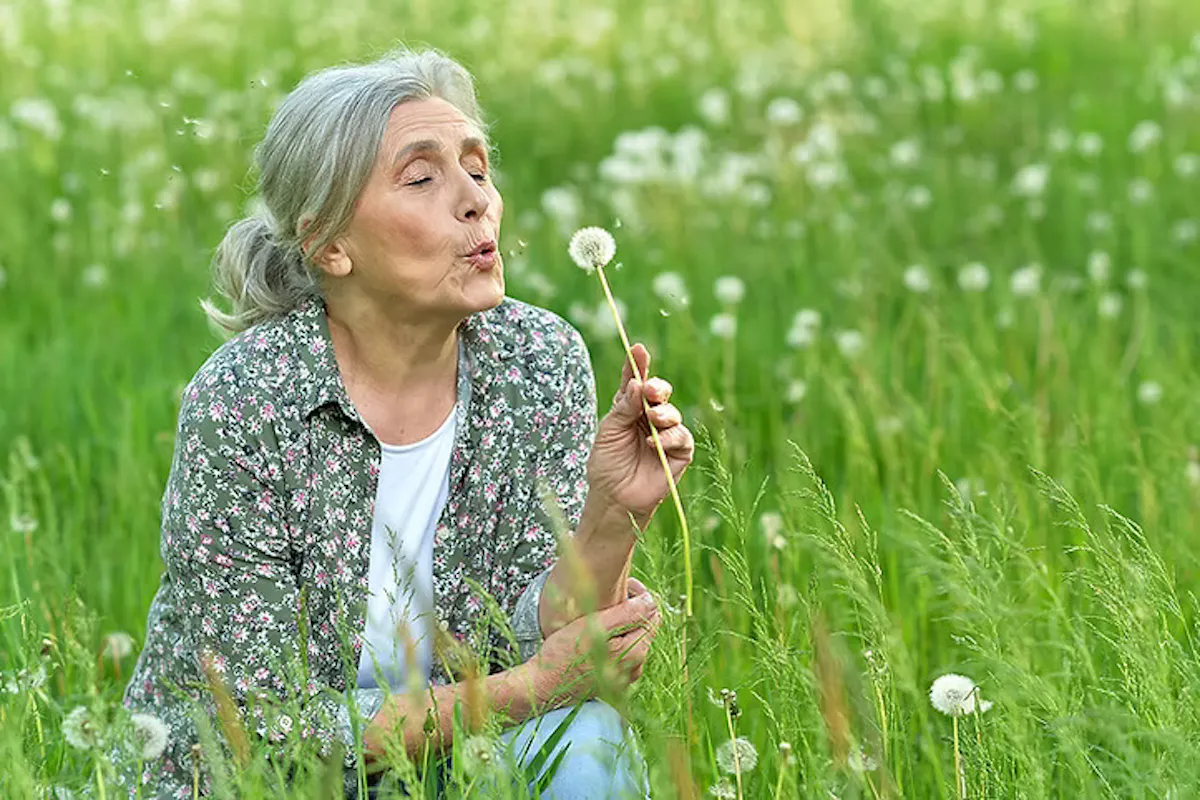
Spring brings warmer weather, blooming flowers, and longer days. But for many seniors, it also marks the return of seasonal allergies. Pollen from trees, grasses, and flowers can trigger uncomfortable symptoms such as sneezing, itchy eyes, congestion, and fatigue. While spring allergies can be frustrating, there are many practical and gentle ways to reduce symptoms and enjoy the season more comfortably.
Understand Common Spring Allergy Triggers
Spring allergies are most often caused by airborne pollen. Trees typically release pollen first, followed by grasses later in the season. Mold spores can also increase during damp spring weather. Knowing what triggers symptoms can help seniors take proactive steps, such as limiting outdoor exposure during high-pollen days.
Monitor Pollen Levels and Plan Ahead
Checking daily pollen forecasts can make a big difference. On days when pollen counts are high, it’s best to stay indoors as much as possible, especially during the early morning hours, when pollen levels peak. To reduce your exposure, plan errands, walks, or outdoor activities for later in the day or after a rainfall, when pollen is lower. Pollen.com maintains a national allergy map that you can refer to for tracking the pollen count in your community.
Create an Allergy-Friendly Home Environment
Keeping indoor air clean is key. Seniors can close windows during high-pollen days and rely on air conditioning instead of fresh air. Using high-efficiency particulate air (HEPA) filters in air conditioners or standalone air purifiers can help trap allergens. Regularly changing HVAC filters and vacuuming with a HEPA-filter vacuum also helps reduce indoor allergens.
It’s also helpful to remove pollen from your skin, hair, and clothing after spending time outdoors. Showering, washing hair, and changing clothes can prevent pollen from spreading throughout the home. Keeping shoes near the door rather than wearing them indoors can further limit pollen exposure.
Support the Body With Healthy Habits
A strong immune system can help the body better handle allergens. Older adults can take a variety of steps to naturally boost immunity. Seniors should aim to eat a balanced diet rich in fruits, vegetables, lean proteins, and whole grains. Staying hydrated, which helps thin mucus and relieve congestion, is also critical. Warm fluids such as herbal teas or broths can be especially soothing during allergy season.
Adequate rest is equally important. Allergies can interfere with sleep, so maintaining a consistent sleep schedule and a comfortable sleep environment can support overall well-being and energy levels.
Use Medications Carefully and Wisely
Many seniors find relief from over-the-counter allergy medications, but use them carefully. Some antihistamines may cause drowsiness, dizziness, or dry mouth, which can be more pronounced in older adults. And some allergy meds found on drugstore shelves can interact with prescriptions. Seniors should always read labels closely and consult with their physician or pharmacist before starting any new medication.
Protect Eyes and Skin Outdoors
Wearing sunglasses outdoors can help protect eyes from pollen, reducing itching and watering. A wide-brimmed hat can keep pollen out of hair and off the face. For those who enjoy gardening, wearing gloves and a mask can help minimize exposure while still allowing time outdoors.
Know When to Seek Medical Advice
If allergy symptoms are severe or persistent, or if they interfere with daily activities, it’s important to seek medical guidance. Your physician can help identify triggers, recommend appropriate treatments, or rule out other conditions that may mimic allergy symptoms. They may even refer you to an allergist for further testing.
Bookmark the Life Protect 24/7 Blog
If you have an interest in health and wellness, you might want to bookmark this blog and visit often. Each week, we post a new article on topics ranging from healthy aging and fitness to caregiving. We hope to see you back here soon!