




The Mental Health Benefits of Spending Time Outdoors
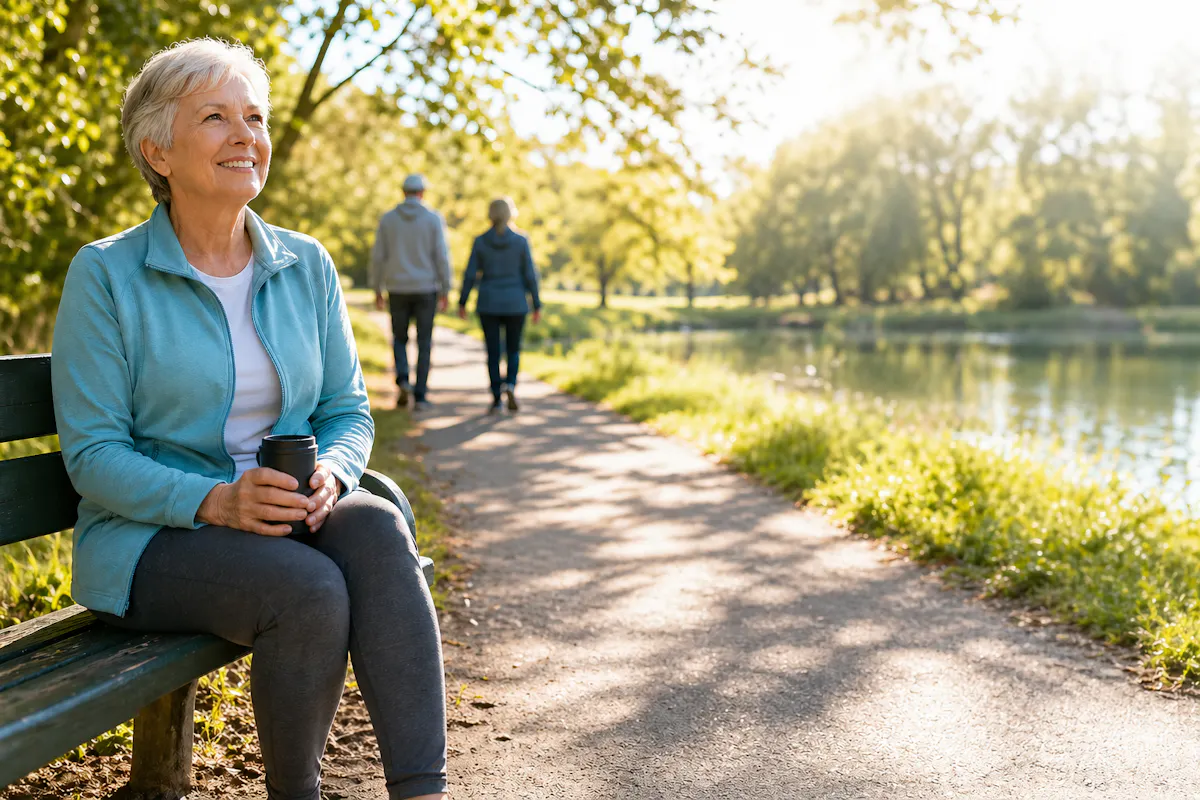
Spending time outdoors is one of the simplest and most effective ways to support mental health. Whether you walk through a neighborhood park, garden in the backyard, or sit under a tree, nature can improve mood, reduce stress, and support overall well-being. For people of all ages—including older adults—regular exposure to outdoor spaces provides important psychological and emotional benefits.
The Great Outdoors Boosts Emotional Wellness
One of the most immediate mental health benefits of spending time outdoors is stress reduction. Natural environments tend to be calmer and less stimulating than indoor settings filled with device screens, television noise, and other demands for our time and attention.
The sights and sounds of nature—such as trees swaying, birds singing, or water flowing—help the brain shift into a more relaxed state. Studies have shown that even short periods outside can lower levels of cortisol, the hormone associated with stress. As a result, people often feel more relaxed and mentally refreshed after being outdoors.
Other mental health benefits of spending time outside can include:
- Decreased anxiety and depression: Outdoor time also helps improve mood and reduce symptoms of anxiety and depression. Exposure to natural light plays a key role in regulating the body’s internal clock and supporting healthy levels of serotonin, a brain chemical that contributes to feelings of happiness and stability.
- Improved sleep: Exposure to sunlight during the day can help people feel more alert and positive, while also improving sleep patterns at night. Better sleep itself contributes to improved mental health, creating a positive cycle of well-being.
- Reduced mental fatigue: Spending time outside can also improve concentration and cognitive function. Natural environments promote a form of gentle mental engagement, sometimes called “soft fascination,” that allows the mind to focus without becoming overwhelmed. In this restorative state, the brain can recover from mental fatigue caused by long periods of work, studying, or screen time.
- Enhanced social connections: Another mental health benefit associated with outdoor activities is more opportunities for socializing. Parks, walking trails, and community gardens provide spaces where people can interact with neighbors. Even brief social interactions—such as greeting someone on a walking path—can increase feelings of belonging and reduce loneliness. As we grow older, the benefits of staying social are numerous.
Nature and Physical Well-Being
Another important benefit of spending time in nature is the opportunity to engage in physical activity. Many outdoor activities, such as walking, biking, hiking, or gardening, naturally involve movement. Physical activity is strongly linked to improved mental health because it releases endorphins, often called “feel-good” chemicals.
These chemicals help reduce pain perception and create feelings of pleasure or relaxation. Exercising outdoors can also feel more enjoyable and less repetitive than working out indoors, which encourages people to stay active for longer periods.
Invest in a Mobile Monitoring Device
If you are uneasy about spending time outdoors alone, even in your own backyard, one idea to consider is purchasing a mobile monitoring unit. These discreet devices can easily fit into a pocket or crossbody bag. In the event of an emergency, a simple press of a button can connect you with someone who can help. Call 1-844-203-5617 to learn more!